Skip to content

OUR HISTORY

The Gatehouse
Story.

Discover the people, places and moments that have shaped our school.

Explore the timeline

The Story Begins

1860

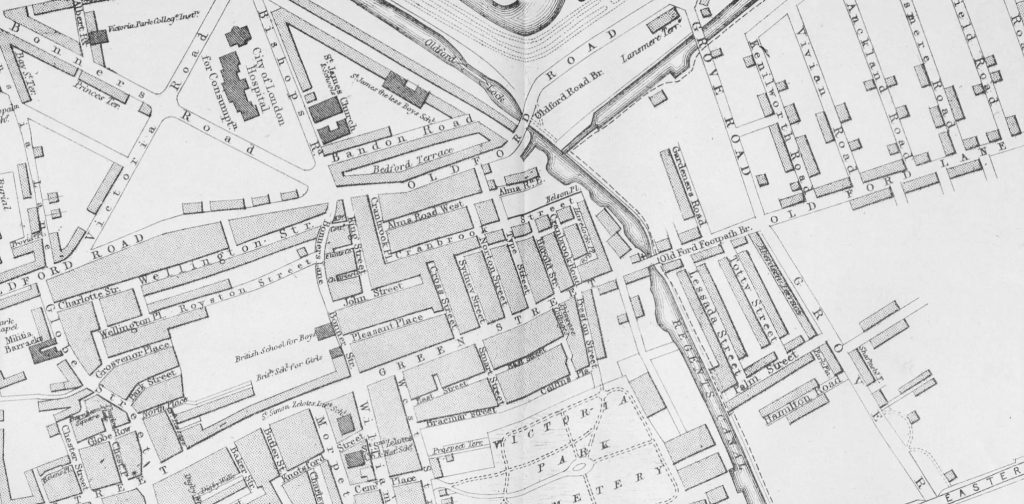
The history of Gatehouse’s home began in 1860, when a school for 270 pupils was built on Sewardstone Road with funding from the National Society and Parliament. The Victorian building would go on to serve generations of East London children before eventually becoming home to Gatehouse School.
A Victorian School Reborn

1899–1901

By the late nineteenth century, the original school had fallen into disrepair. Reverend John Edwin Watts-Ditchfield, vicar of St James the Less, secured support for its restoration. A foundation stone was laid in 1899, and the rebuilt school officially opened on 29 June 1901.

Through Two World Wars

1908–1944

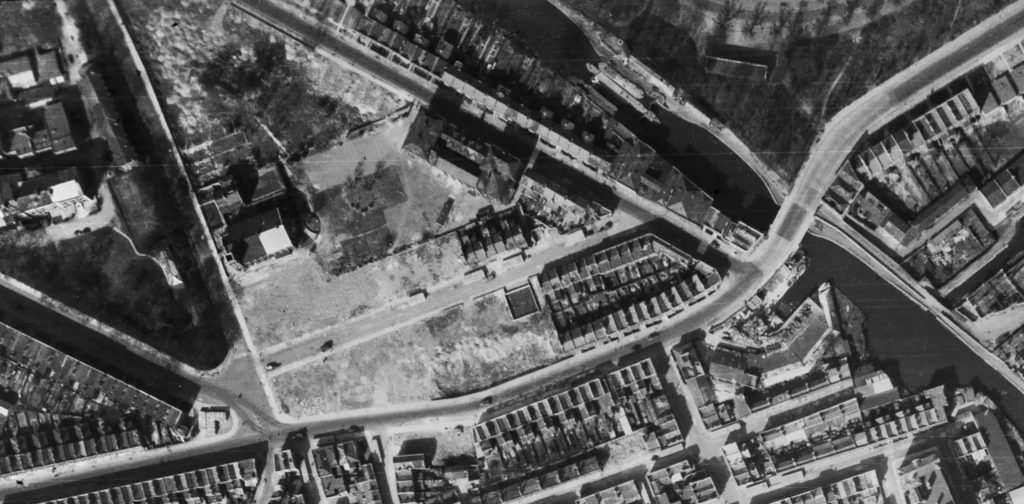
In 1908, the building was sold to the London County Council and continued to serve the local community. A memorial commemorating those lost during the First World War remains within the school today. In 1944, bombing destroyed the neighbouring St James the Less Church and caused significant damage to the school building.

The Birth of Gatehouse School

May 1948

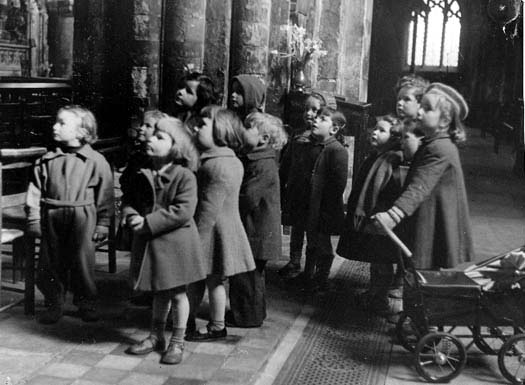
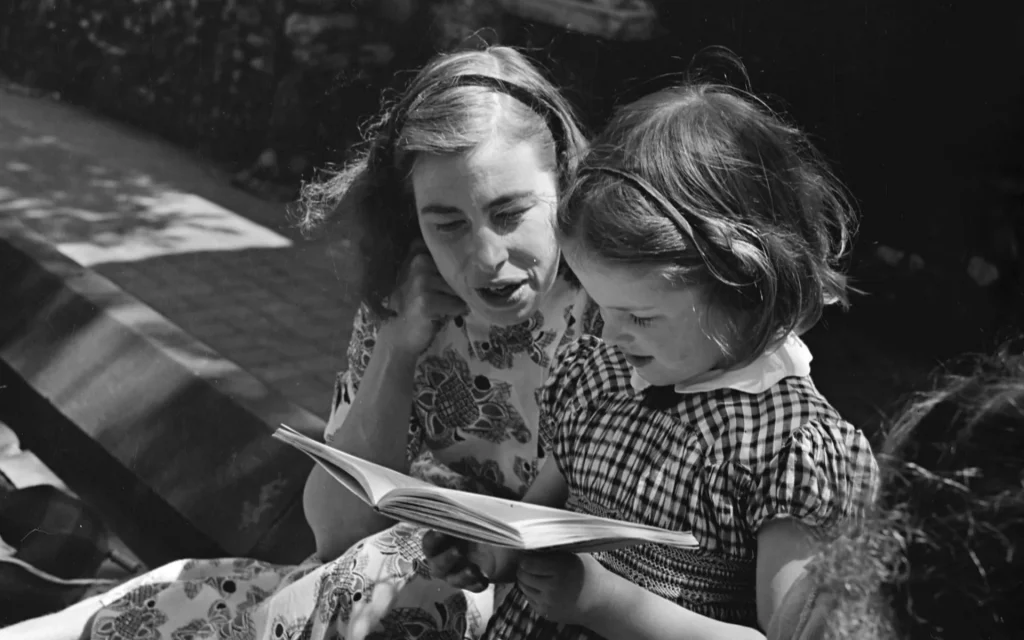
Phyllis Wallbank MBE founded Gatehouse School with just eight children in the gatehouse of St Bartholomew the Great Priory Church in West Smithfield. Inspired by Maria Montessori, she envisioned a school where children could develop independence, curiosity and confidence while learning at their own pace.

A Visit from Maria Montessori

1951

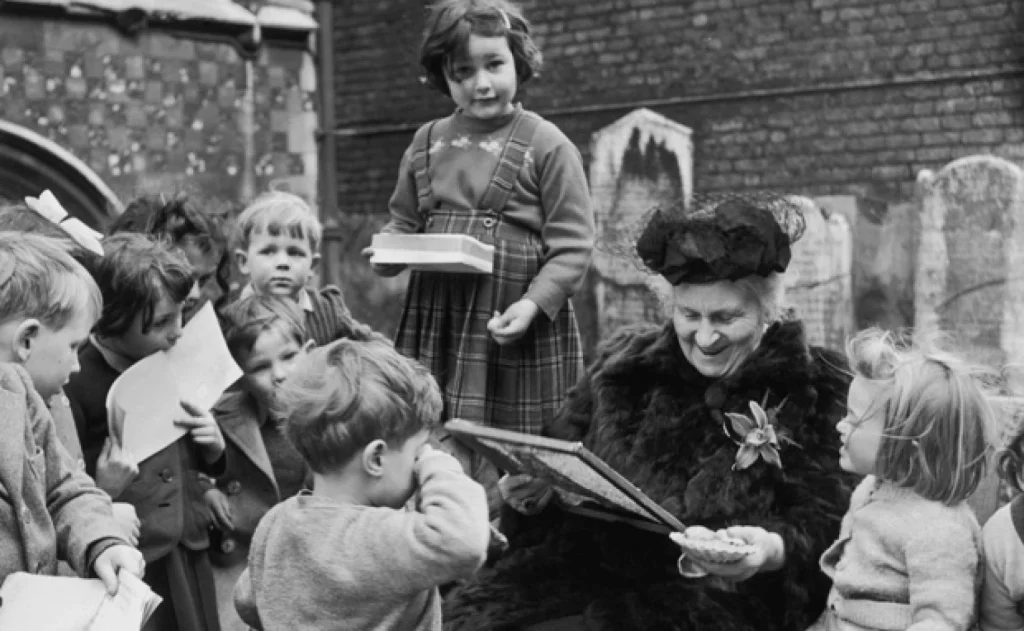
Gatehouse’s pioneering approach attracted the attention of Maria Montessori herself, who visited the school in 1951. Her educational philosophy, centred on independence, exploration and individual development, helped shape the school’s distinctive approach to teaching and learning.

A School for Every Child

1950s–1960s

Under Phyllis Wallbank’s leadership, Gatehouse became known for its progressive and inclusive approach to education. Children of different abilities and backgrounds learned together, following individual programmes designed to recognise their strengths and encourage their development.

A New Home in Bethnal Green

1974–1975

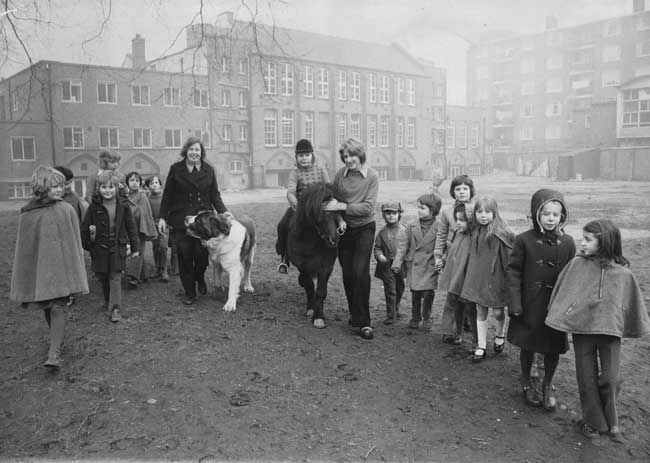
With support from parents and the wider community, Gatehouse acquired the historic school building on Sewardstone Road, beside Victoria Park. The move brought pupils and teachers together under one roof, establishing the permanent home of Gatehouse School.

The Legacy of Phyllis Wallbank

1979

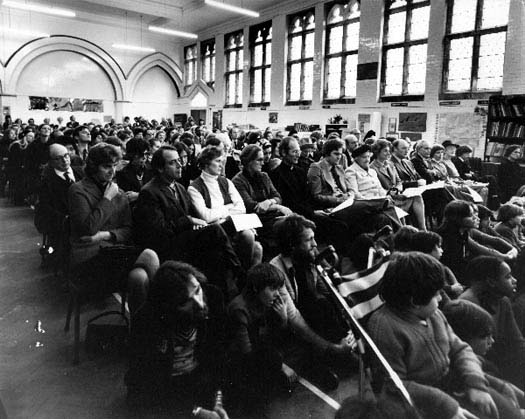
After more than 30 years, Phyllis Wallbank retired from the school she had founded. Gatehouse had grown from eight children into a thriving educational community of more than 300 pupils. Her pioneering commitment to independence, inclusion and individual achievement established a legacy that continues to shape the school.

A Historic Building, Reimagined

2018

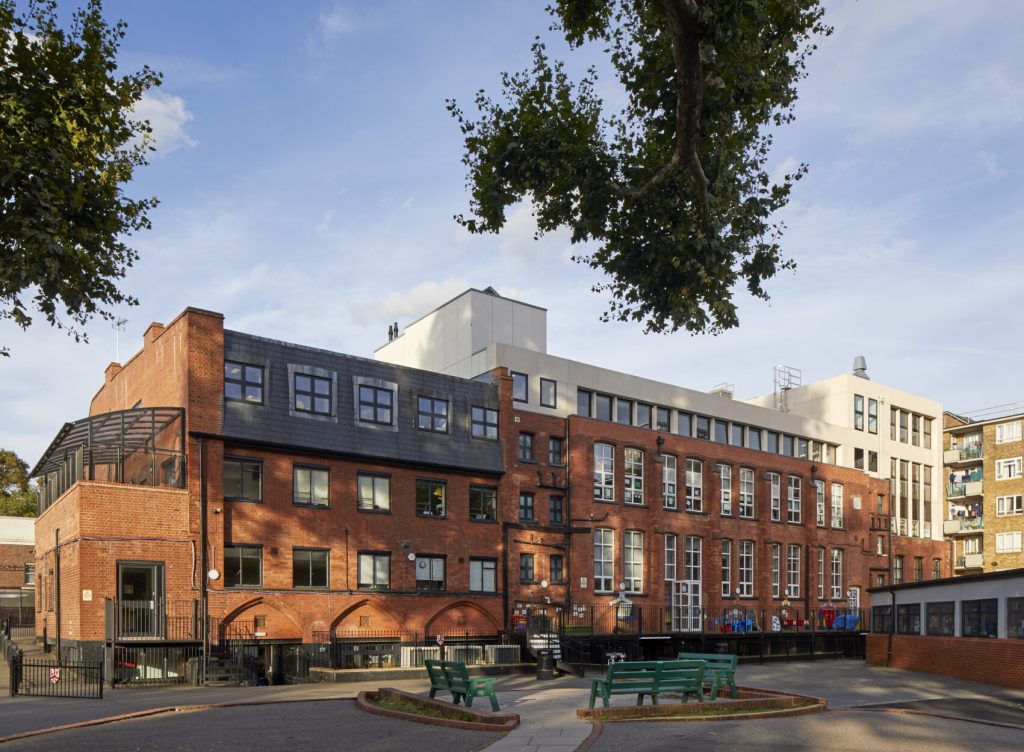
Gatehouse completed a major redevelopment, transforming its Victorian home while preserving its historic character. The expansion introduced 15 new classrooms, specialist music facilities, a library, performance space and modern kitchen, enabling the school to grow from two-form to three-form entry.

Growing for the Next Generation

2026

A second floor was added to the nursery building, creating a dedicated home for Early Years education with spacious, modern classrooms. The development marked another significant investment in the school’s future, providing inspiring learning environments for the next generation of Gatehouse pupils.

1860SCROLL TO TRAVEL THROUGH TIME2026

THE STORY CONTINUES

Rooted in history.
Inspired by the future.

From eight children in a Smithfield gatehouse to a thriving school in the heart of East London, our story continues.

Discover Gatehouse

Accreditations & Awards